


Understanding and
Treating Anxiety
Managing Anxiety in Therapy
In therapy, anxiety is explored through an ACT-informed approach that helps people change their relationship with difficult thoughts, emotions, and physical sensations, rather than getting stuck in a battle to eliminate them. Many people naturally respond to anxiety through experiential avoidance, which means trying to escape, control, suppress, or avoid uncomfortable internal experiences. While this can bring short term relief, it often causes anxiety to take up more space over time and can lead to life becoming more restricted or disconnected from what matters most.
Therapy focuses on identifying what creates meaning, fulfillment, and direction in life, while building practical strategies to move towards those things even when anxiety is present. This may include developing mindfulness skills, increasing psychological flexibility, gradually facing avoided situations, and learning how to respond to anxious thoughts with more openness and self awareness. The goal is not to never feel anxious again, but to reduce the extent to which anxiety controls decisions, relationships, opportunities, and everyday life.
Anxiety can look different from person to person, but it often shows up as persistent worry, overthinking, or feeling mentally “stuck” in worst case scenarios. It may involve social anxiety, where interactions feel stressful or self conscious, or physical symptoms such as a racing heart, tight chest, restlessness, fatigue, or difficulty sleeping. For many people, anxiety also leads to avoidance based behaviours, such as putting off situations that feel uncomfortable, seeking reassurance, over-preparing, or staying in the “safe zone” to reduce distress in the short term. While these strategies can feel helpful in the moment, they can also unintentionally keep anxiety going over time.
What Does Anxiety Look Like?

Common Types of Anxiety
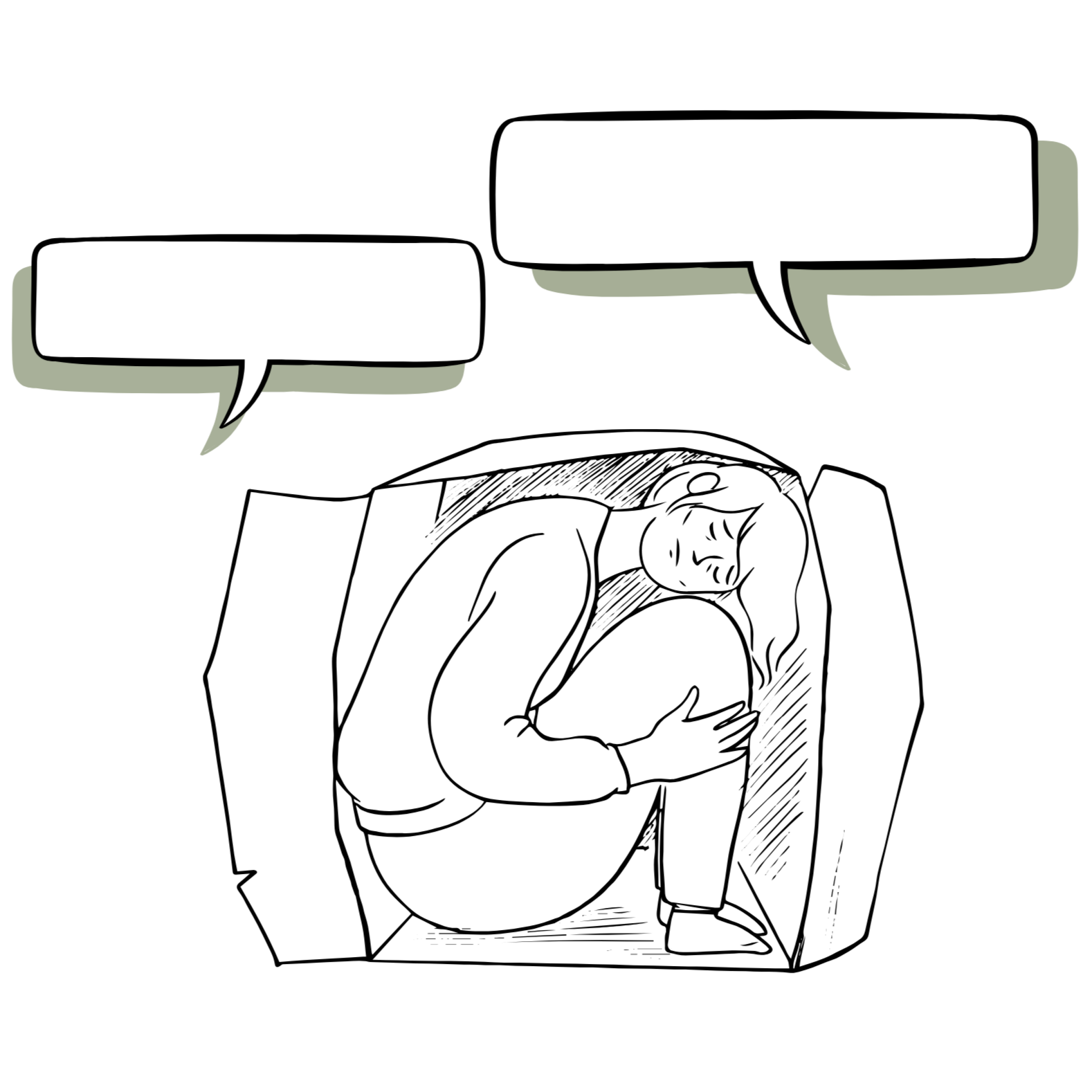
Social situations may feel overwhelming or filled with fear of embarrassment, judgement, or saying the wrong thing. Anxiety can show up before, during, or after interactions, often leading to overthinking, avoidance, or self-criticism.
Social Anxiety
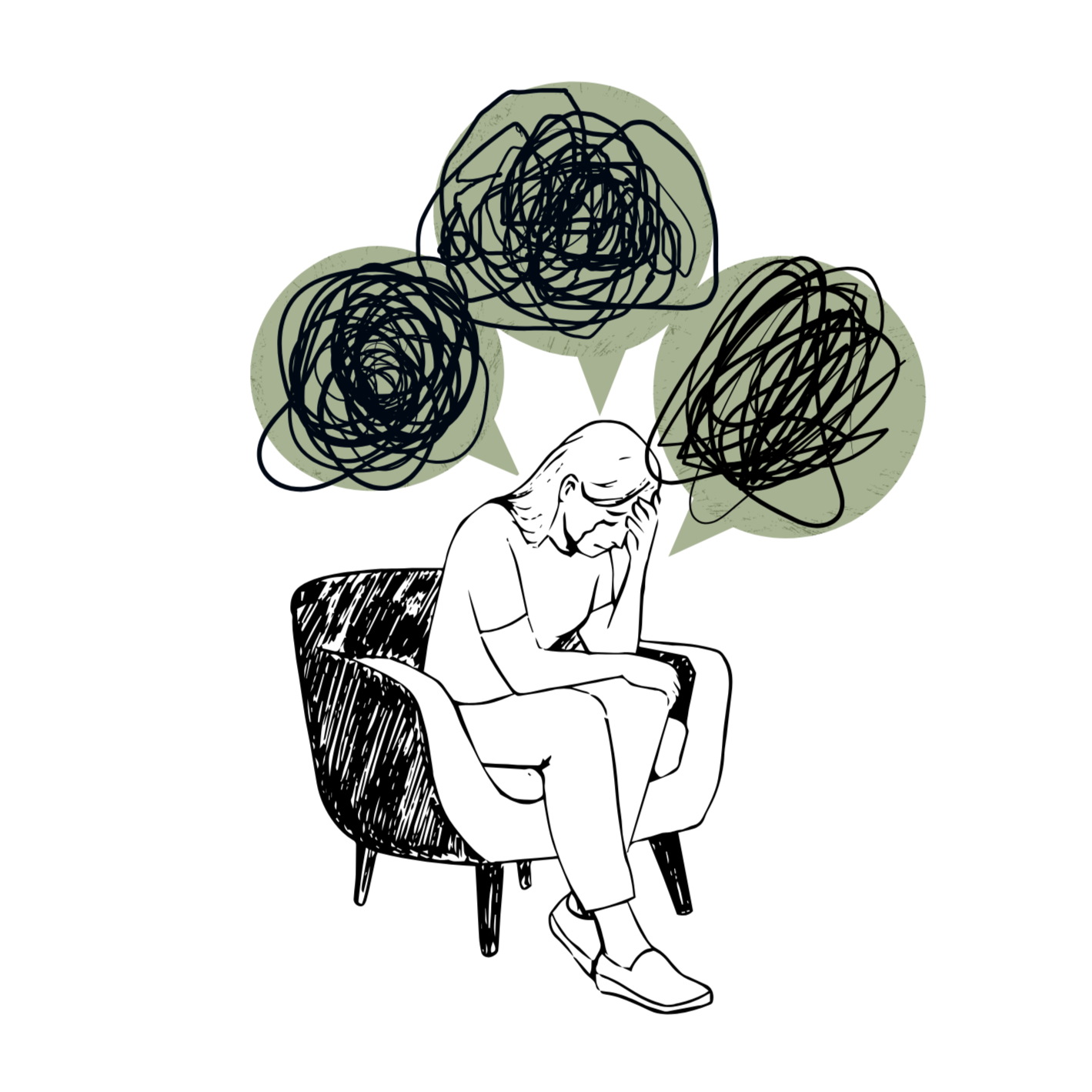
Anxiety can feel constant, difficult to switch off, and present across many areas of life. This may include , excessive worry, overthinking, feeling on edge, struggling with uncertainty, or finding it hard to relax even when things seem “fine.”
Generalized Anxiety
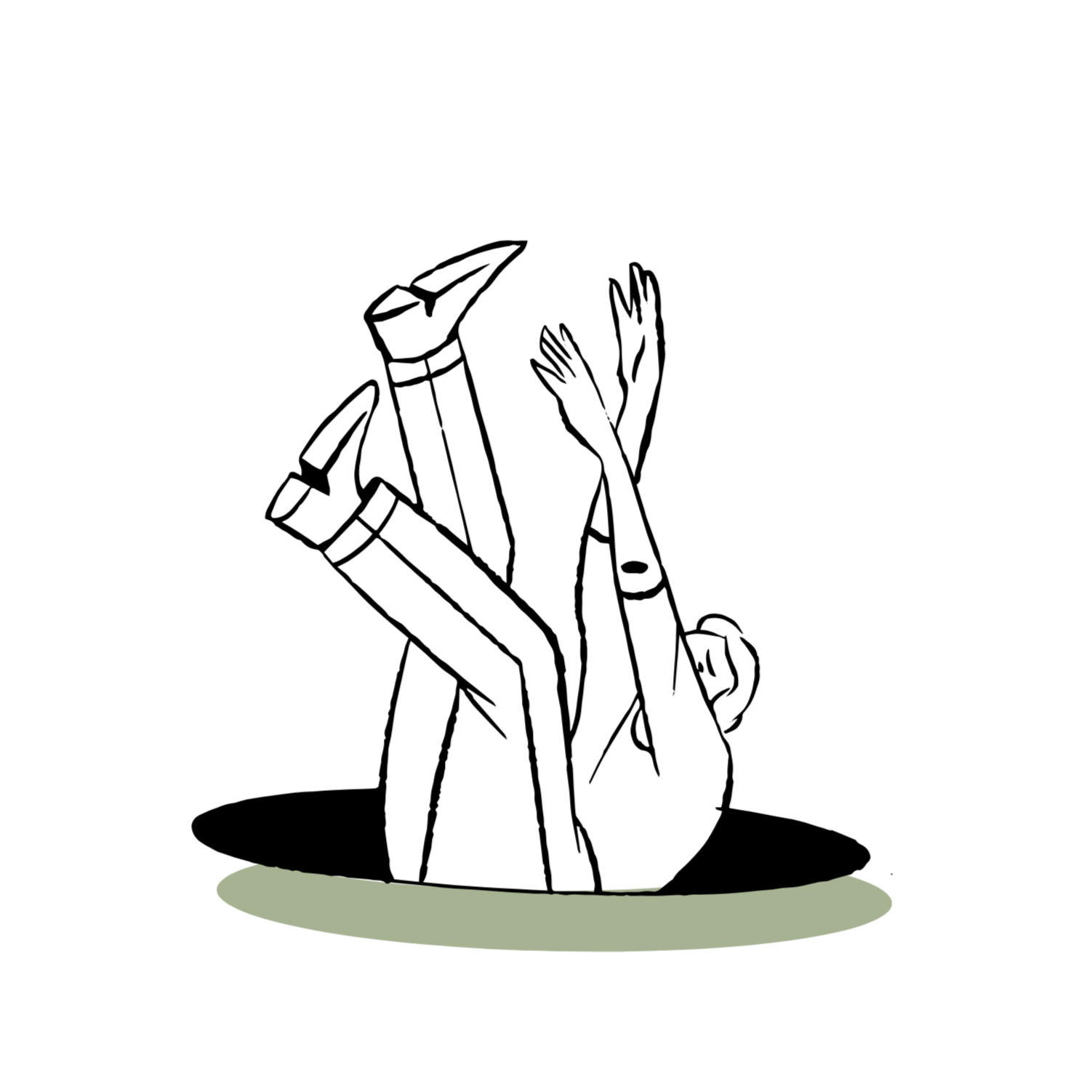
Panic can feel sudden, intense, and physically overwhelming. Symptoms may include racing heart, dizziness, chest tightness, shaking, nausea, or feeling out of control, often creating fear about when the next panic attack might happen.