


Understanding and
Treating Depression
Managing Depression in Therapy
Therapy for depression often focuses on understanding the patterns that may be maintaining low mood, withdrawal, and disconnection, while supporting gradual re-engagement with meaningful areas of life.
An Acceptance and Commitment Therapy (ACT) approach places particular importance on identifying what matters most to a person, such as relationships, personal growth, health, creativity, or connection, and using these values to guide change. Rather than waiting to “feel better” first, ACT supports people to take small, meaningful steps toward the life they want to build, even in the presence of difficult thoughts or emotions.
Behavioural Activation, a highly effective Cognitive Behavioural Therapy (CBT) approach for depression, is often incorporated into this work. This involves gradually increasing engagement in activities that align with a person’s values and sense of purpose, helping to reduce patterns of withdrawal and reconnect with daily life in a manageable and sustainable way.

What Does Depression Look Like?
Depression can affect people in different ways and may not always look like persistent sadness. For some, it can involve feeling emotionally numb, disconnected, overwhelmed, or unlike themselves. Everyday tasks may begin to feel more difficult, relationships can feel harder to maintain, and activities that once felt manageable or meaningful may require much more effort.
People may also notice changes in their thinking, energy, sleep, appetite, concentration, or sense of self-worth. These experiences can develop gradually or feel difficult to explain, but they can have a significant impact on daily life and overall well being.
Common Signs of Depression
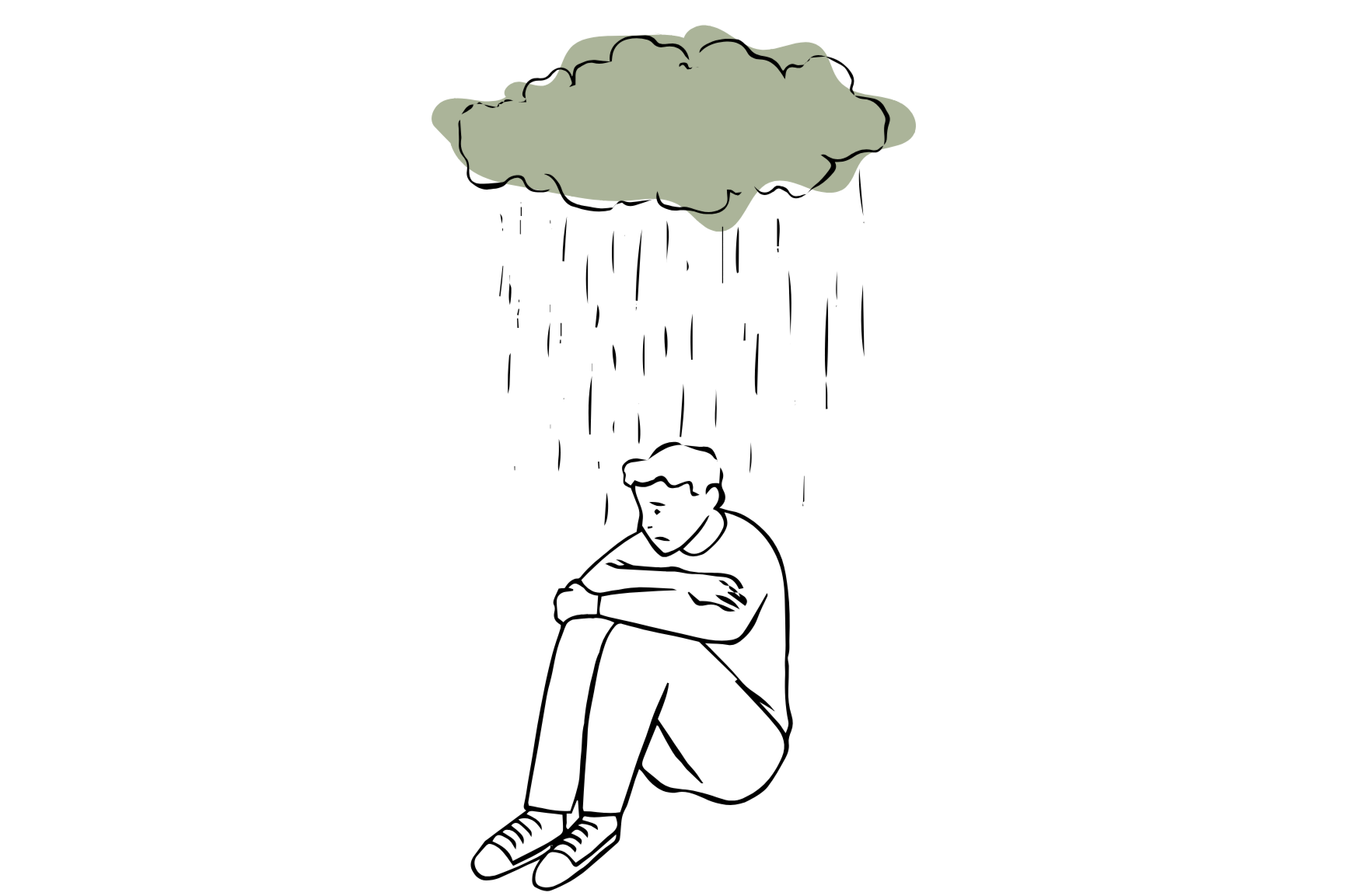
Low mood involves persistent feelings of sadness, emptiness, or emotional heaviness. People may feel more irritable, tearful, or emotionally flat, often without a clear cause. It can also affect motivation, making everyday tasks feel harder to start or complete. Feelings of hopelessness may arise, along with a sense that things will not improve.
Low Mood
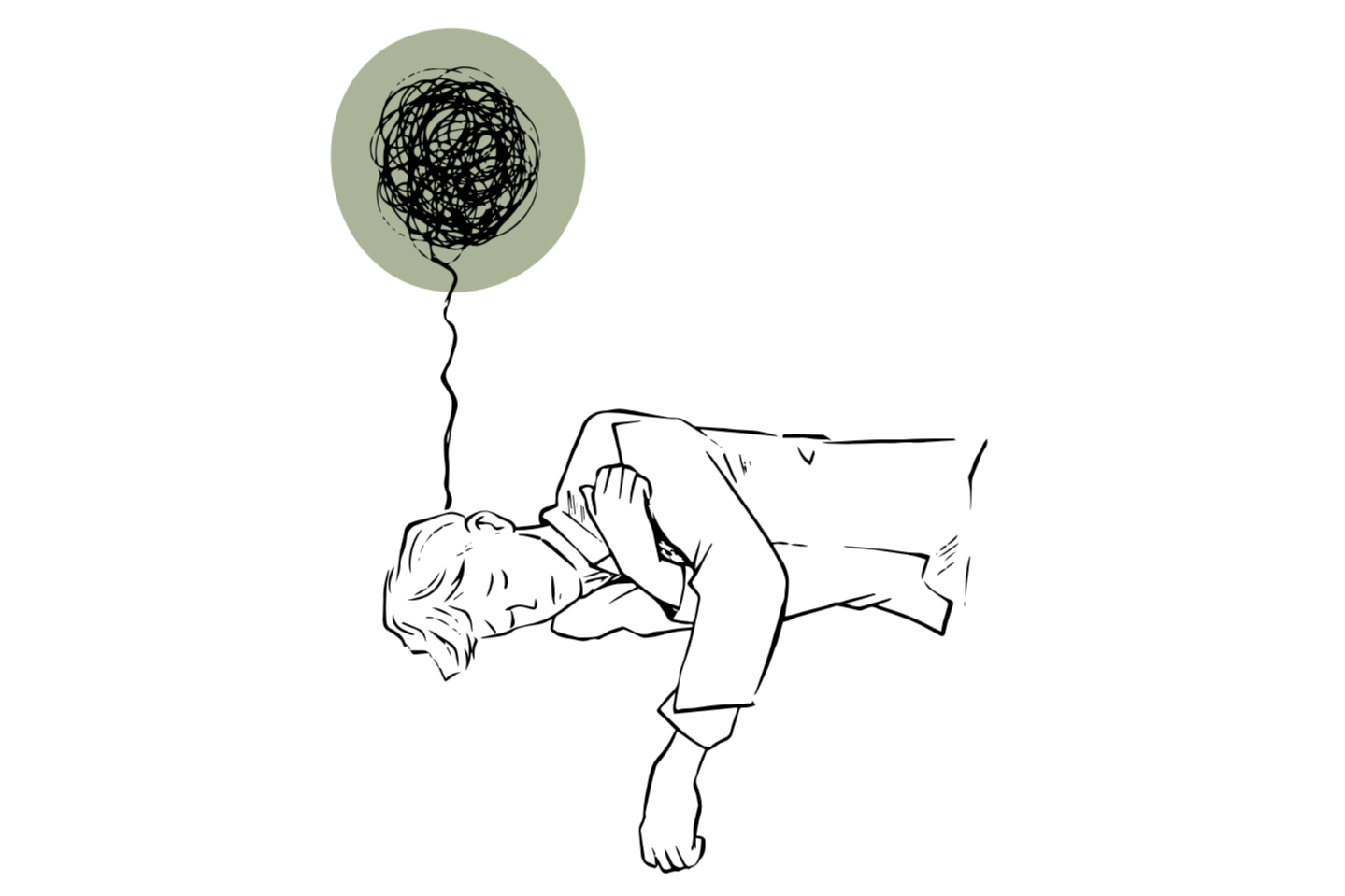
Ongoing fatigue in depression is a deep, persistent lack of energy that rest does not seem to improve. Even simple activities can feel exhausting and concentration may be difficult. Sleep and appetite may also be affected, with some people sleeping more or less than usual, or noticing changes in eating patterns. Low energy can make it harder to stay engaged in daily life.
Ongoing Fatigue
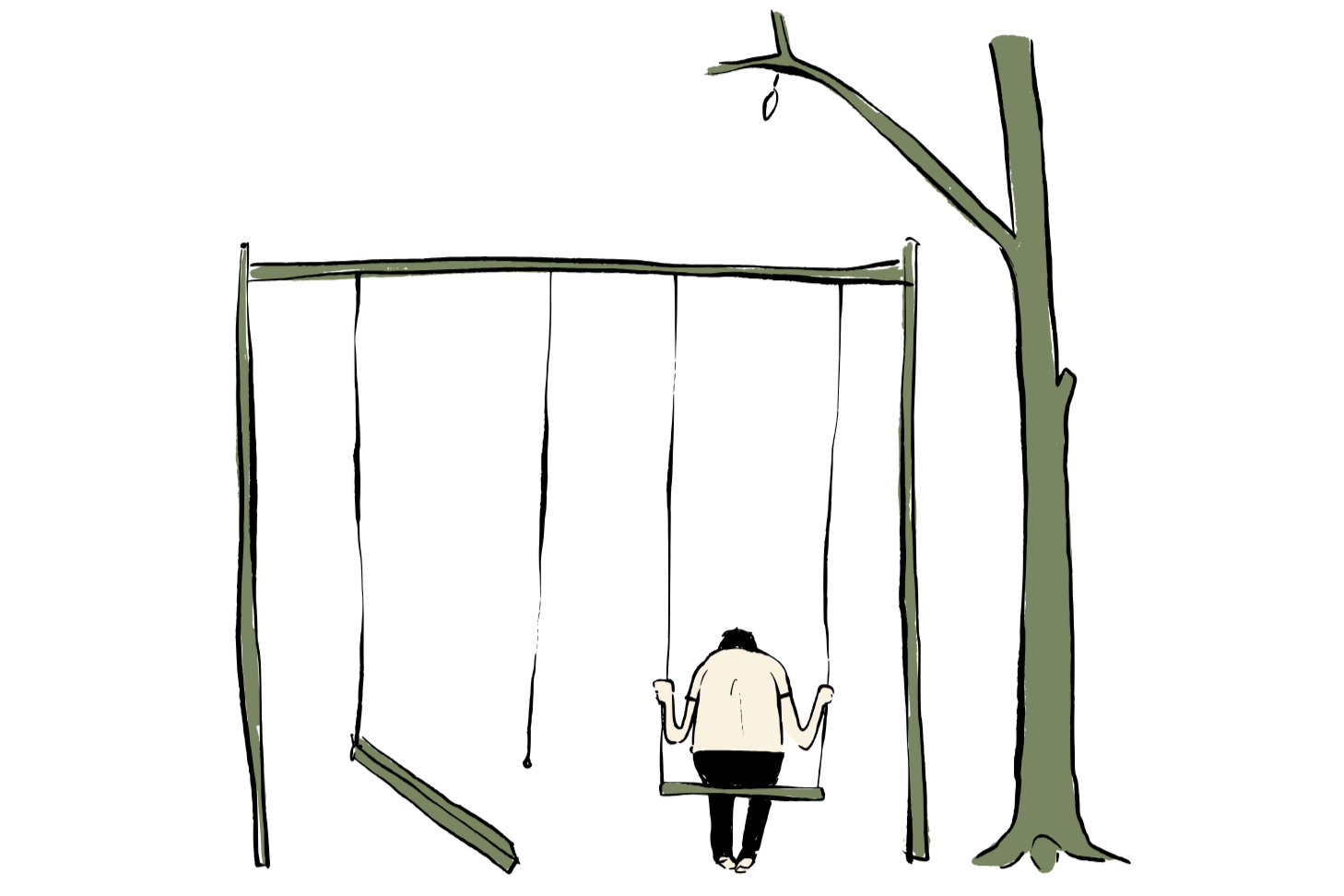
Loss of interest refers to a reduced ability to enjoy or feel engaged in activities that were once meaningful or pleasurable. Hobbies, social contact, and daily routines may feel less appealing, often alongside low motivation. This can lead to withdrawal and a reduced sense of connection or enjoyment in everyday life.