


Understanding and Treating
Obsessive Compulsive Disorder (OCD)
Managing OCD in Therapy
In OCD therapy, one of the most effective and well-established approaches is a method called Exposure and Response Prevention (ERP). It helps you gradually face the thoughts, situations, or triggers that cause anxiety, while learning not to respond with compulsions. The goal isn’t to “get rid” of intrusive thoughts, but to change how you relate to them so they feel less powerful over time.
In ERP, you and your therapist work step by step. You might gently approach a situation that brings up intrusive thoughts or anxiety, and instead of doing a compulsion (like checking, repeating, or seeking reassurance), you practice allowing the discomfort to rise and fall on its own. At first, this can feel difficult, but over time the brain learns that anxiety doesn’t need a response and that nothing dangerous follows from not performing the compulsion. This helps reduce the cycle of intrusive thoughts, anxiety, and compulsive behaviours, so they gradually take up less space in daily life.
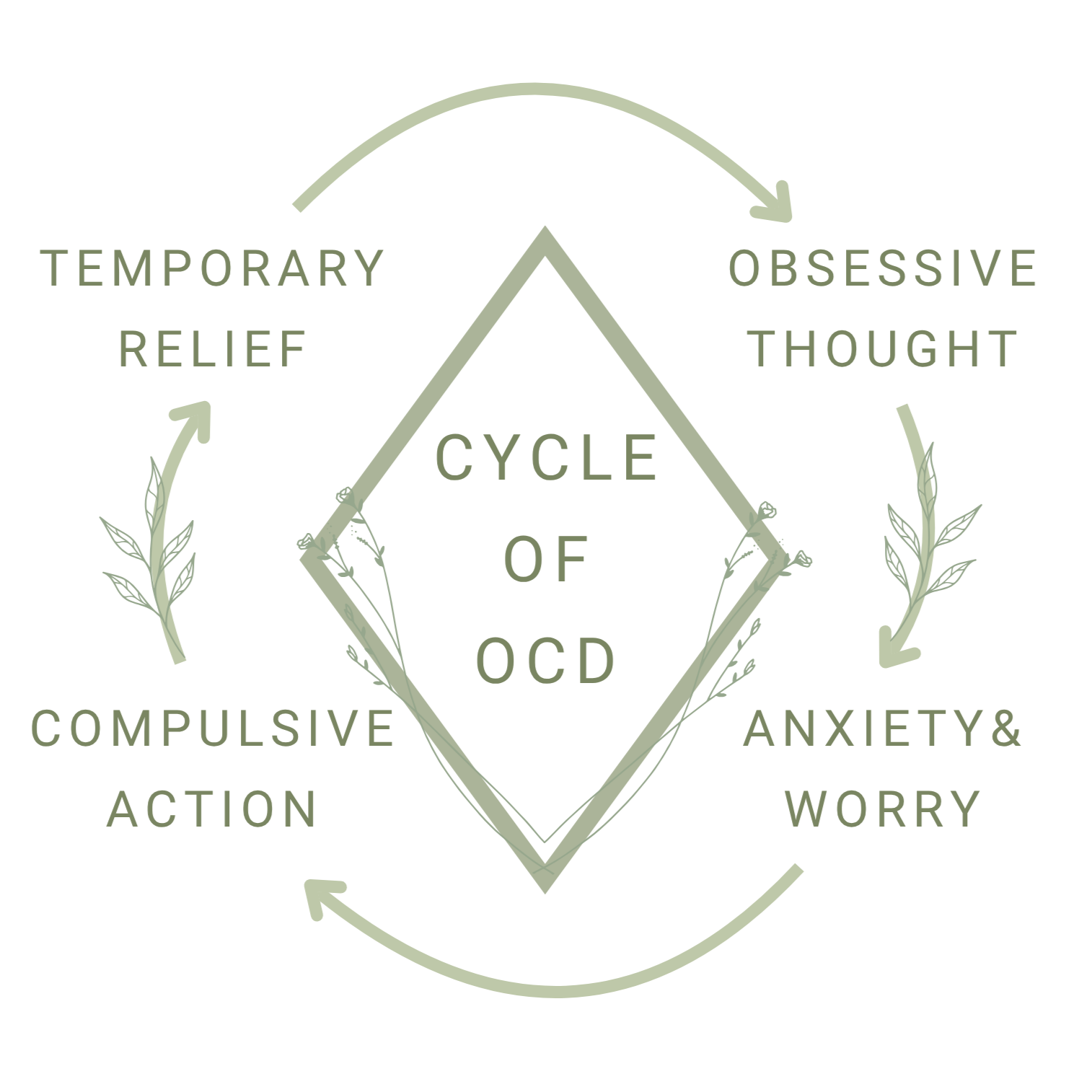
Obsessive-Compulsive Disorder (OCD) is a condition where unwanted, intrusive thoughts keep showing up and feel hard to ignore. These thoughts can create a strong sense of anxiety or discomfort, even when you know they don’t reflect reality or your intentions. In response, a person may feel compelled to do certain actions or mental rituals to try to reduce that distress or prevent something bad from happening.
These actions can bring a short sense of relief, but it doesn’t last for long. The mind then starts to treat the relief as something that came from the compulsion, which makes the urge to repeat it stronger the next time the thought appears. Over time, this can create a self-reinforcing loop where intrusive thoughts and anxiety lead to compulsive behaviours, which temporarily ease the distress but keep the cycle going.
What is OCD?
Common Themes of OCD

Contamination

Contamination fears often involve a strong sense that germs, dirt, or chemicals could cause harm or illness. A person may feel driven to wash, clean, or avoid certain places or objects to reduce this sense of risk or discomfort.
Harm & Safety Fears
Harm and safety fears involve intrusive worries about causing or preventing harm, such as fears of accidentally hurting someone, leaving something unsafe, or being responsible for a negative outcome. This can lead to repeated checking or avoidance of everyday situations.

“Just Right”
“Just right” OCD is less about danger and more about a feeling that something is off or incomplete until it feels correct. This might show up as repeating actions, arranging items, or mentally reviewing until a sense of balance or certainty is achieved.

Checking and doubt involves persistent uncertainty about whether something has been done correctly or safely. A person may repeatedly check locks, appliances, messages, or memories, even when they logically know it has already been done.
Checking & Doubt
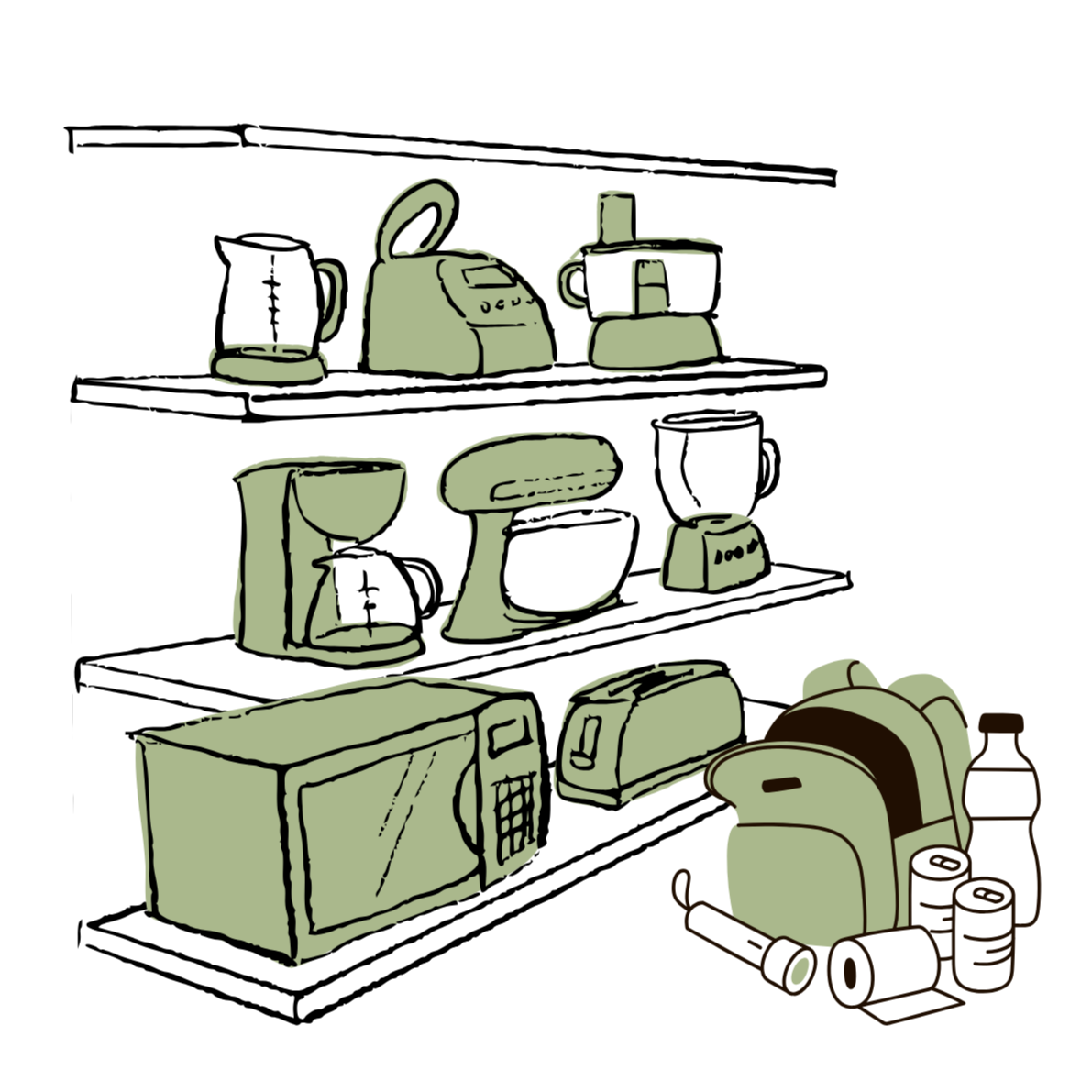
Hoarding and saving can involve difficulty discarding items due to fear of needing them later, emotional attachment, or a sense of responsibility to keep things “just in case,” leading to accumulation and clutter.
Hoarding & Saving

Moral OCD
Moral OCD (scrupulosity) involves intrusive thoughts about being a bad or immoral person, or fears of having done something wrong ethically, spiritually, or socially. This can lead to repeated reassurance-seeking, mental reviewing, or efforts to “neutralize” guilt or doubt.