


Understanding and
Treating Stress
Managing Stress in Therapy
Therapy for stress focuses on understanding the factors contributing to overwhelm and developing more sustainable ways of coping and responding. This may involve exploring patterns such as over commitment, self-criticism, avoidance, or difficulty setting boundaries, alongside identifying the emotional and physical impact stress is having on daily life.
An Acceptance and Commitment Therapy informed approach can help people build awareness of their internal experiences while reconnecting with what is most important to them. Therapy may also include practical strategies to support emotional regulation, self-care, communication, and creating healthier balance and routines over time.

What Does Stress Look Like?
Stress can affect thoughts, emotions, physical health, and daily functioning in different ways. Some people notice feeling constantly “switched on,” overwhelmed, irritable, or unable to relax, while others experience difficulty concentrating, disrupted sleep, muscle tension, headaches, or changes in mood and energy.
Stress can also affect relationships, work, and the ability to feel present or engaged in everyday life. Over time, ongoing stress may leave people feeling emotionally depleted, disconnected from themselves, or struggling to balance the demands placed on them.
Common Forms of Stress
Burnout
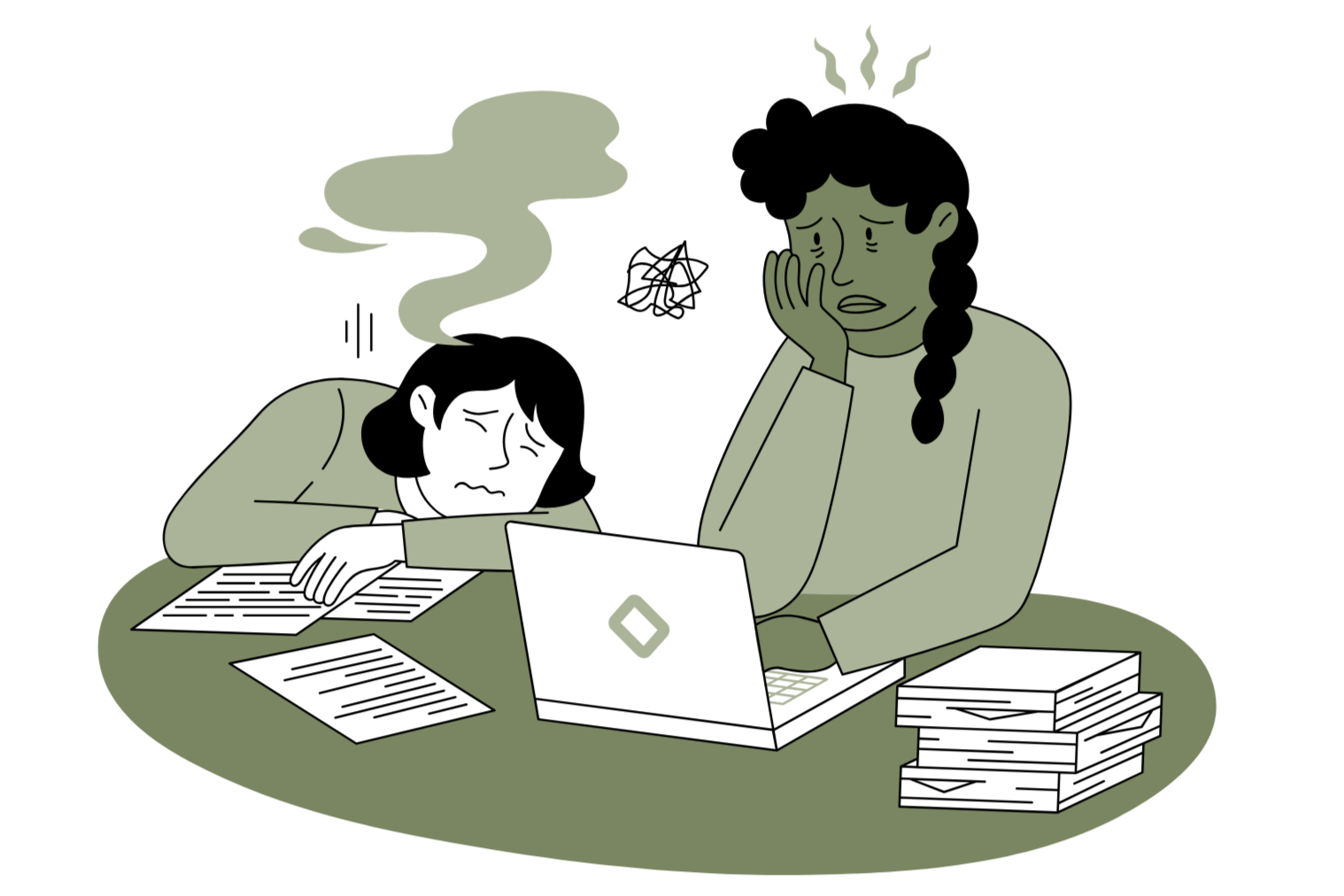
Burnout can develop after prolonged periods of stress or emotional demand without enough opportunity for rest or recovery. People may feel emotionally exhausted, mentally drained, detached, or unable to cope in the way they once could. Motivation, concentration, and enjoyment in work or daily life may gradually decline over time.
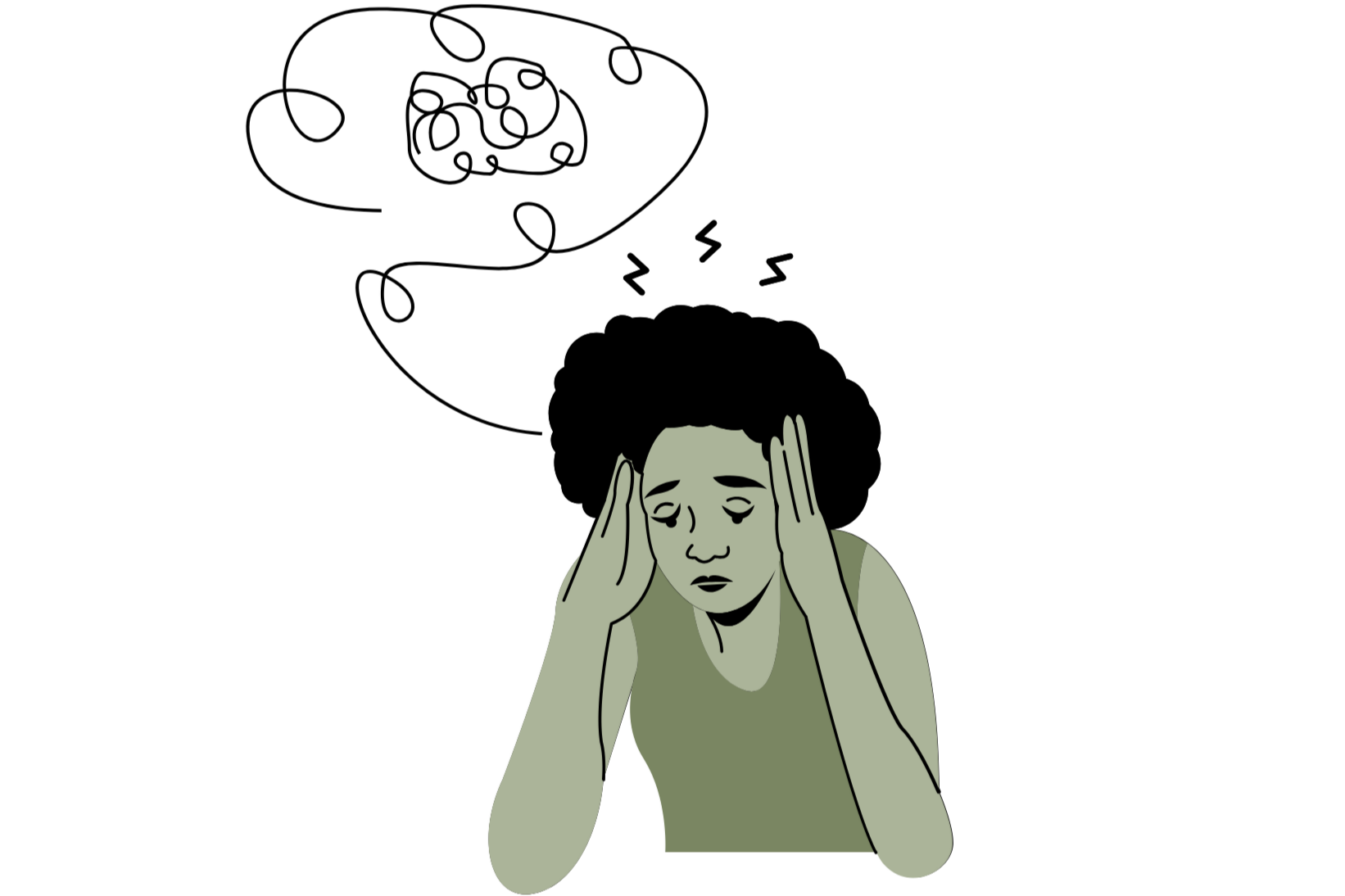
Acute stress is the body’s immediate response to a stressful or overwhelming situation. It can involve feeling tense, anxious, on edge, or emotionally overwhelmed in response to a specific event or short-term pressure. While acute stress can sometimes resolve once the situation passes, intense or repeated experiences may have a longer-lasting impact.
Acute Stress
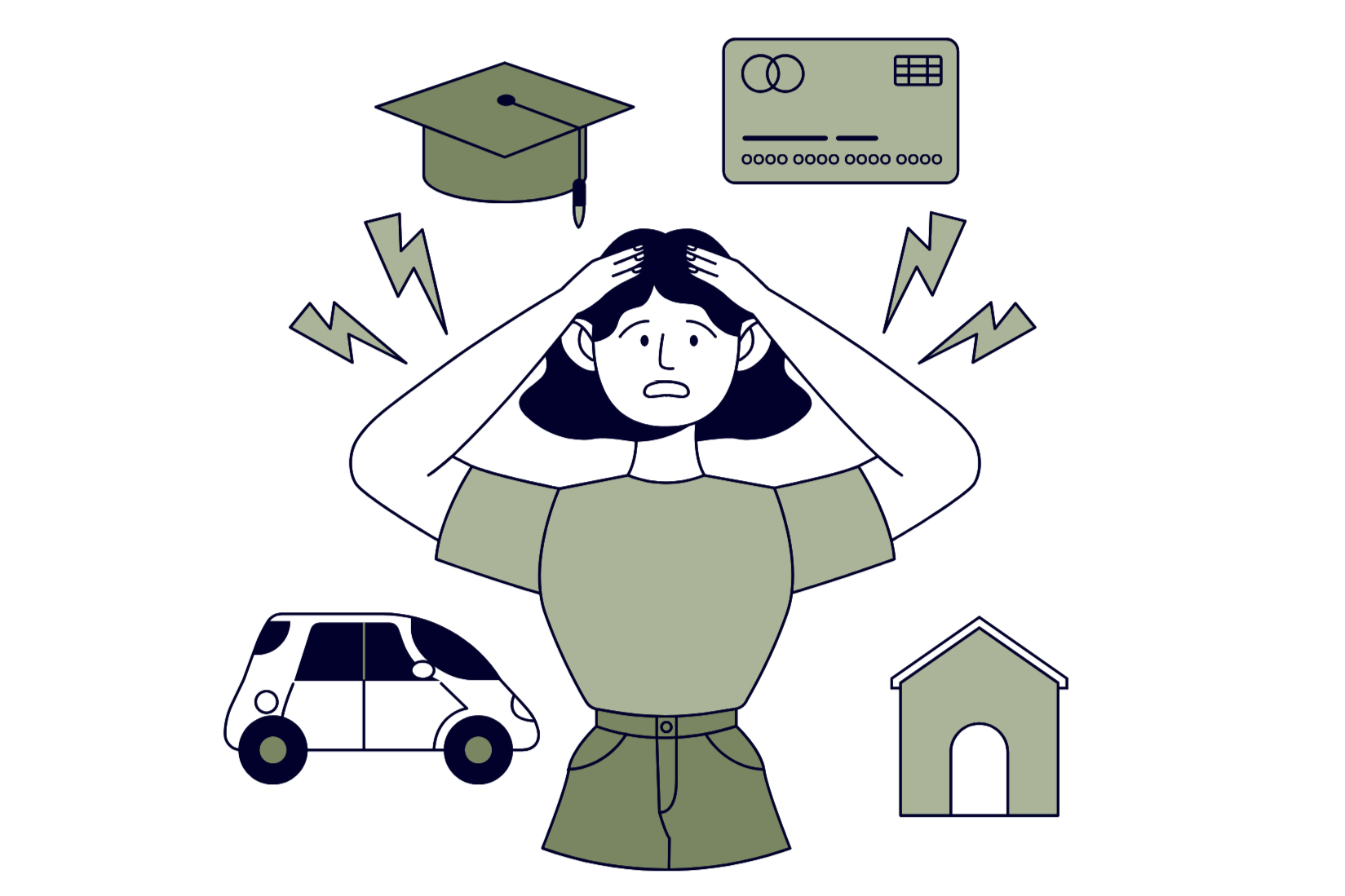
Chronic stress refers to ongoing stress that continues over an extended period of time. This can leave the mind and body in a constant state of tension or overwhelm, often affecting sleep, mood, concentration, energy, and physical well being. Over time, chronic stress can contribute to emotional exhaustion, anxiety, and low mood.